Taking too long? Close loading screen.

Author Archives: Charli Eaton

  1. What 30+ Years in VFX Teaches You, 7 tips in an evolving era

    Comments Off on What 30+ Years in VFX Teaches You, 7 tips in an evolving era

    What 30+ Years in VFX Teaches You, 7 tips in an evolving era

    After more than 30 years in visual effects, I can honestly say the technology has changed beyond recognition. When I started my career in the BBC design team in London, the tools were slower, the workflows were heavier, and a lot of what we now take for granted simply didn’t exist.

    Today, we’re working in a world of real-time engines, virtual production, AI-assisted workflows, and increasingly seamless pipelines between creative and technical teams.

    But for all that change, the biggest lessons haven’t really been about software. They’ve been about people, creative vision, problem-solving, and perspective.

    Here’s what 30+ years in VFX has taught me.

    1. The tools will always change. Taste matters more.

    Every few years, our industry seems to reinvent itself. New platforms emerge, new techniques become standard, and suddenly the “futblog-padderure” becomes the baseline.

    If you build your career purely around tools, you’ll always be chasing the next update. But if you build it around taste, judgement, storytelling, and the ability to see what makes an image truly work, you stay valuable. When I was at Ravensbourne College of Art and Design completing my degree in Graphic Design back in 1995, so much of the course centred around visual narratives, stories, coming up with abstract concepts. This was a college that for its time was fully loaded with tech. I’m glad that I learnt those basic principles as it carried me in my VFX career.

    Software evolves. Creative instinct compounds.

    2. Great VFX is invisible for a reason.

    Some of the best work in our industry is the work nobody notices.

    As we celebrate David Attenborough’s 100th in a couple of months, I reflect on how fortunate I’ve been with my company Moonraker VFX to have been a part of delivering many flagship series for clients like the BBC and Apple on hit series like Planet Earth III, Ocean, Earth at Night in colour for example where creative instinct and subtle augmentation were highly skilled applications of visual effects.

    These weren’t extraordinary but crafted with instinct to serve the story so well that they disappeared into it.

    That took me years to fully appreciate. Early on, like many people, I was always drawn to spectacle and yes that came around with projects we have created for Cosm and The Sphere, Bigger shots. More complexity. More obvious craft. But over time, you realise the most effective work is often the most disciplined. The shot that supports emotion. The detail that sells reality. The restraint that keeps the audience immersed.

    Sometimes the smartest creative decision is not to show what you can do, but to know what the story needs.

    3. The real job is solving problems under pressure.

    People sometimes imagine VFX as purely artistic or purely technical. In reality, it’s both, and neither.

    At its core, this industry is about solving problems. Constantly.

    Budgets shift. Schedules compress. Briefs evolve. Shots arrive late. Ideas change in the edit. The challenge is not just producing beautiful work. It’s producing the right work, at the right time, under real-world conditions.

    Over three decades, I’ve learned that calmness is a creative skill. So is adaptability. So is knowing when to push, when to simplify, and when to find another route entirely.

    4. Culture shows up on screen.

    This is one I believe more strongly now than ever.

    The quality of the work is deeply connected to the culture behind it.

    When teams feel trusted, heard, and united around a shared goal, the work gets better. When people are overwhelmed, disconnected, or treated like cogs in a pipeline, it shows. Maybe not immediately, but eventually.

    The strongest studios aren’t just built on talent. They’re built on standards, collaboration, and an environment where good people can do their best work consistently.

    Technology can accelerate a process. It cannot replace a healthy creative culture.

    5. Relationships outlast reels.

    A great showreel can open a door. A strong reputation keeps it open.

    Over the years, I’ve come to value relationships more and more — with clients, collaborators, artists, producers, and teams. Our industry is smaller than it looks, and people remember how you work just as much as what you make.

    Do you stay steady under pressure?
    Do you communicate clearly?
    Do you bring solutions, not just problems?
    Do you treat people well?

    That matters. A lot.

    6. Curiosity is a competitive advantage.

    The moment you think you’ve seen it all in VFX is probably the moment you start falling behind.

    What keeps this industry exciting is that there is always something new to learn. A new method. A new visual language. A new production model. A new generation of artists seeing the craft differently. That’s not just in the office but outside influences too, seeing what people are doing in galleries, museums, theme parks, immersive cinema, all the markets we service.

    Staying curious is how you stay relevant. It’s also how you stay inspired.

    7. In the end, it’s still about the shot.

    For all the big conversations around pipelines, platforms, AI, and the future of production, the truth is simple: it still comes down to the work.

    Does the shot hold up?
    Does it tell the story?
    Does it create emotion, belief, impact?

    After 30+ years, that standard hasn’t changed.

    The tools are faster. The expectations are higher. The pace is relentless. But the heart of great VFX is still the same: craft in service of story.

    That’s the lesson I keep coming back to.

    And it’s probably why, after all these years, I still love it.

  2. Technology Moves Fast. Meaning Still Doesn’t.

    Comments Off on Technology Moves Fast. Meaning Still Doesn’t.

    Technology Moves Fast. Meaning Still Doesn’t.

    By Simon Clarke – Executive Creative Director

    Every few months, the visual effects industry announces another revolution. A new tool,
    a new workflow, a new promise that this time everything will be faster, cheaper, and somehow more meaningful. I’ve lived through enough of these cycles to appreciate the energy and to stay wary of the narrative.

    After more than three decades working across television, museums, and large-scale immersive environments, one thing remains stubbornly consistent: Technology accelerates. Human experience doesn’t. Audiences haven’t fundamentally changed. Context still matters. Meaning still takes time.

    The comfort of tools

    New technology is reassuring. It feels like progress because it gives us something tangible to point at, something we can demonstrate, measure, package into a deck. But tools are not intent and speed is not the same as understanding.

    We’ve all seen extraordinary work created with limited resources and forgettable work created with incredible ones. The difference is rarely technical. It’s almost always about why something exists in the first place. A sharper pipeline can’t compensate for a fuzzy idea.
    neither does a faster render automatically produce a clearer message. And “more” is not a strategy.

    VFX as translation, not decoration

    Visual effects are often framed as spectacle, the fireworks, the part you notice. In practice, the most effective VFX behaves more like translation. It turns ideas into images,
    stories into space, complex systems into experiences an audience can feel without having to consciously analyse every detail. When it works, it doesn’t shout. It clarifies.

    And that becomes even more true once you step outside the fixed frame of film and television, once you start designing for environments people move through, share, and physically inhabit.

    Designing for physical space is different

    Museums and immersive environments don’t give you the comforts of cinema. There is no guaranteed viewpoint, no fixed duration, no seated, captive audience. People move. They glance, they drift, they talk to each other. They take a photo, then look away. They come back. They leave early. They enter halfway through.

    They experience the work with their bodies, not just their eyes.

    So, designing for these formats means understanding things that don’t show up when working solely with screen-based outcomes when we engage in passive viewing of content. These include scale and peripheral vision, how bodies move through space, how sound, light, and image interact with architecture and when to invite attention and when to step back. These aren’t abstract problems. They’re experiential ones. You solve them by watching real people behave in real environments. You solve them by being in the space.

    Which is why a lot of the current conversation around AI quietly breaks down right where the work gets most interesting.

    Where AI struggles

    AI is remarkably good at generating images. It is far less good at understanding embodied experience. It doesn’t feel scale, it doesn’t stand in a room, it doesn’t sense fatigue, curiosity, distraction, or awe.

    That understanding doesn’t come from training the AI model with data. It comes from years of observing people: what draws them in, what they ignore, what makes them linger, what makes them move on.

    Why the physical matters

    I was reminded of this recently at my daughter’s photography exhibition in The Hague, put on by 3rd year students of the KABK. I stepped back and watched how people moved through the space, where they paused, what they leaned toward, what they passed without noticing.

    This wasn’t an immersive environment built from floor-to-ceiling LED walls or projection-mapped architecture. It was a communal space divided into smaller, self-made environments. Simple materials, limited resources, students shaping context with what they had.

    And yet the work carried weight.

    Each space was rooted in a story, many of them deeply personal and that intent was legible to the audience. People slowed down. They made time. Meaning emerged not from scale or technology, but from clarity of purpose and an understanding of how an audience might physically encounter the work.

    It was a quiet reminder of something I think we forget when the industry gets excited about new capabilities and new technologies: Experience isn’t something you generate. It’s something you design for. Patiently. Deliberately. With attention to how people behave even when the budget is limited and the resources are modest.

    Experience isn’t a dataset

    Don’t get me wrong, knowing how to technically deliver for large, commercial, complex formats matters. None more so than our work for clients such as Cosm, that level of execution and delivery takes experience and it’s essential to those venues.

    But it’s only half the job. The other half is respect: Respect for the audience’s attention.
    Respect for the physical space. Respect for the fact that immersion doesn’t mean overwhelm.

    The most effective large-scale and immersive work rarely shouts. It guides. It makes room for quiet. It trusts the audience to engage on their own terms. That kind of restraint is learned slowly. It’s earned through repetition, through failure, through noticing what works when no one is “forced” to keep watching.

    Craft still matters

    Every technological shift promises to “change everything.” Some things change. Many don’t. Taste still matters. Judgement still matters. Craft still matters.

    If anything, these qualities become more valuable as tools become more powerful and more accessible. When anyone can generate imagery, the real differentiator isn’t whether you can make something, it’s whether you can make something that’s worth someone’s time.

    The question becomes sharper: Why this experience, in this space, for this audience?
    And what do we want them to feel when they leave?

    A longer view

    At Moonraker, much of our work sits at the intersection of VFX, physical space, and storytelling. That position has been shaped by years of technical problem-solving, but just as much by observing how real people behave in real environments.

    Trends move quickly. Physical reality does not. The work that lasts is the work that understands both. Technology will continue to move fast. Meaning will continue to take its time. And designing for human experience, not just output, is where the real challenge, and the real opportunity, still lies.

  3. Blue Sky thinking for Flying Rides

    Comments Off on Blue Sky thinking for Flying Rides

    Blue Sky thinking for Flying Rides

    Back in 2015 we started work on our first film for the Flying Theatre format, a project that combined 8k aerial photography and CGI. It was the start of a journey that challenged our technical team for delivering seamlessly joined shots (with no fades or dissolves) into a single camera across the entire piece, that has now become our trademark for the flying ride content we create.

    As an established visual effects company who have been at the forefront of augmentation of filmed footage and computer generated images on such shows as BBC Planet Earth and Netflix Night on Earth, we have been privileged to be working with the best landscape photographers in the world and directors who put their trust in us to make their raw images sing.

    We come to these projects from a slightly different perspective to most traditional film makers and production companies. Being at the forefront of the technological advancements in our industry in the course of our day to day work has you might say given us a competitive edge. This means that it really is blue sky thinking at the start of the project as anything is possible when combined with our visual effects expertise.

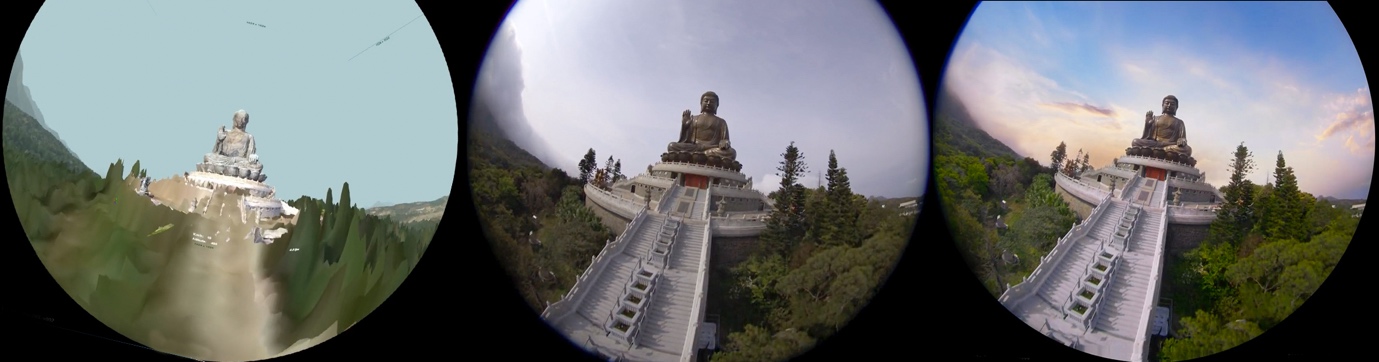
    At the start of every project we undertake a thorough previsualisation process. Having worked on so many leading projects for filming in the natural world we have a customised version of Google Earth that allows us to plan every shot with real world attributes, replicating exact terrain, altitudes, flight paths with accurate geographical data to give as true a representation of the proposed scenes prior to filming. This becomes our 3d blueprint for the project which is shared with pilots to replicate the filmed camera movement, test the ride motion prior to filming and give the client a good indication of how the story fits together.

    So much of the success of the final output of a good film for a Flying Ride is down to the camera movement and the choreography of the action. Even with the best camera operator in the world and the best equipment, getting everything to be perfect in camera on the day, with unpredictable weather and lighting is a huge challenge.  Add to that filming night scenes with restrictions on flying speeds and altitudes and you start to understand how difficult it can be to get the perfect shot.

    Having earlier this year returned from filming for our latest flying ride for Hong Kong as the Creative Director and Visual Effects Supervisor, we were faced with such challenges. At the start of the rainy season we knew that we were likely to be faced with grey skies, gusty winds on a number of days and many restrictions for filming close to buildings (the filming laws in HK changed extensively 2 years ago). Far from the ideal filming window! We used a purpose built drone and helicopters, knowing that we could get the basic camera motion and the flight paths as we wanted but with no guarantee on the weather. Our good friends at Talesmith did a fantastic job planning all the logistics. We were heavily reliant on the skills of Moonraker, our VFX team, to craft their magic to put back in all the elements of the shots that we wanted to improve as if we had the perfect conditions on every shot so that the production could deliver on time.

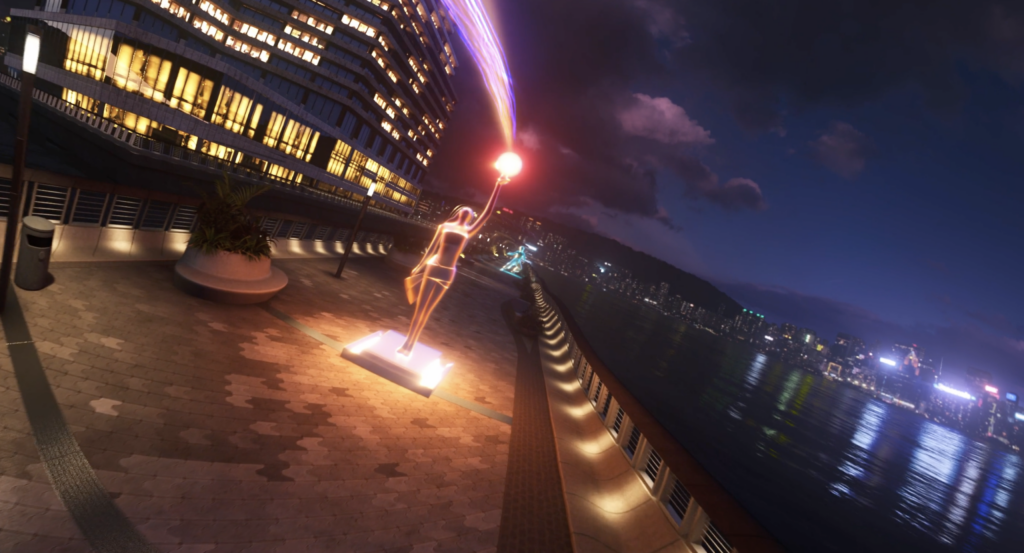
    Left - Showing previsualisation of a scene from Timeless Flight Hong Kong, Middle - Raw film, Right - final image.

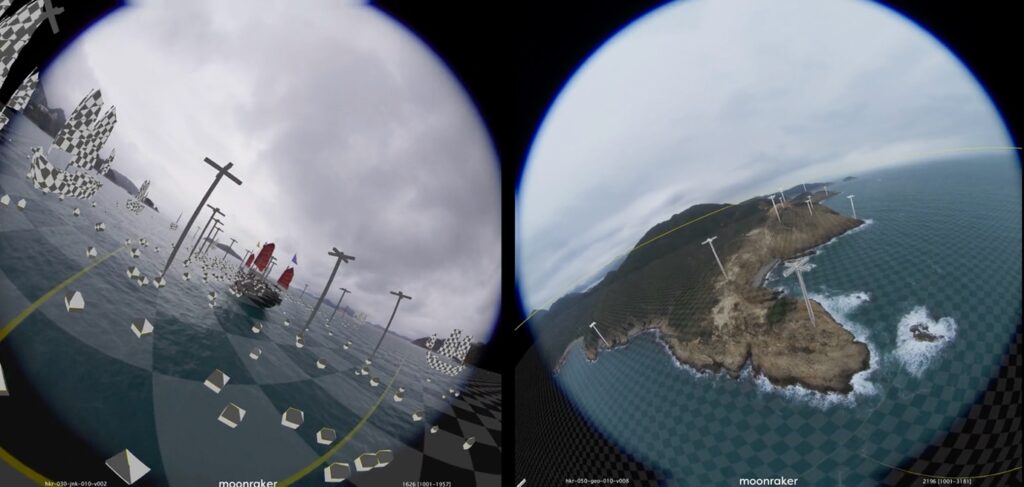
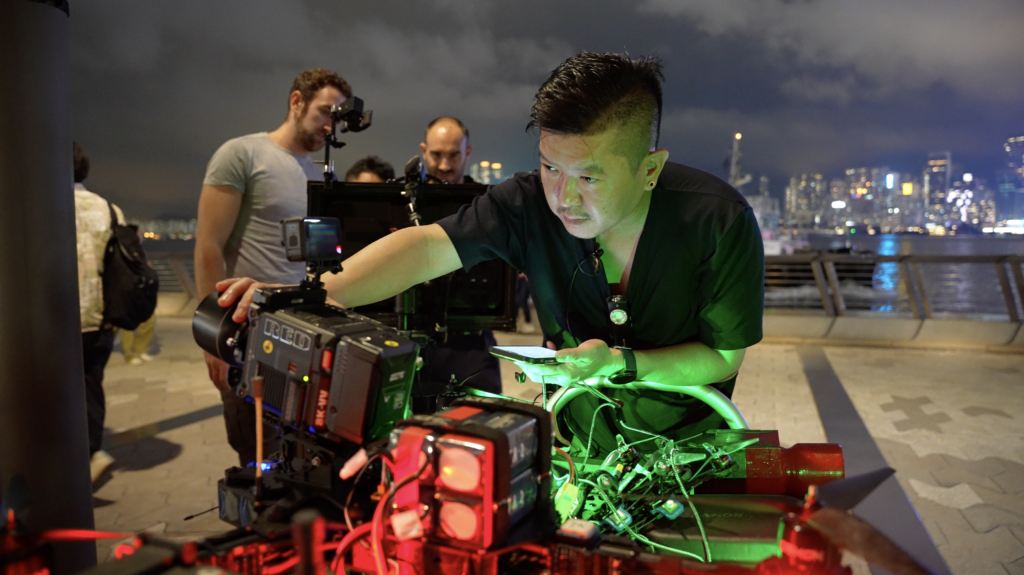
    This is where the skills of our VFX camera tracking team come into play. You can record gyro data from the camera and there are lots of pieces of software that allow you to stabilise the footage for conventional formats. However, when it comes to flying rides it’s another world. The world of fisheye. Unlike 360 VR that can be unwrapped into a flat format and worked on fairly easily in post production, 180 degree field of view is worked on in its native format. This means you have to track the camera with all the inbuilt distortion that is characterised with the fisheye lens. Replacing elements of the shot will only be successful if the camera tracking is rock solid. Otherwise new CGI integrated into the filmed material will appear to float over the original image. Similarly, this same process is used to smooth out the motion of the camera and take out the unwanted bumps which can become even more prenounced when the footage is speeded up.

    Images showing Moonraker VFX’s  proprietary tracking process to smooth footage and seamlessly integrate CGI elements.

    Thus our reliance on post production is huge. Replacing skies, removing dirt on the lens, painting out unwanted cranes, signs and people. The tasks can be exhaustive but knowing exactly what can be done before and after the camera stops rolling and how to achieve it cost effectively and technically offers the filmmaker many more creative choices.

    Some elect not to take on such filming challenges for the creation of the material but I’d argue if you can film it and you have a strong postproduction pipeline then don’t be put off.

    There are however times when the storytelling leads us into worlds that are almost impossible to film. With a sense of flight required to the camera motion, realising underwater worlds for example with dynamic movement or historical scenes can be prohibitive. Our most recent Flying Ride project for the small Mediterranean island of Malta encompasses such scenes. A country rich in history that dates back to the Ottoman Empire, the audience gets to experience flying through crystal-clear waters into a cave before being propelled with cannon balls through an historical battle. All rendered with extremely high production level of VFX comparable to that of a Hollywood movie.

    Moonraker created the media content for Flying ride for Malta, opening in 2024.

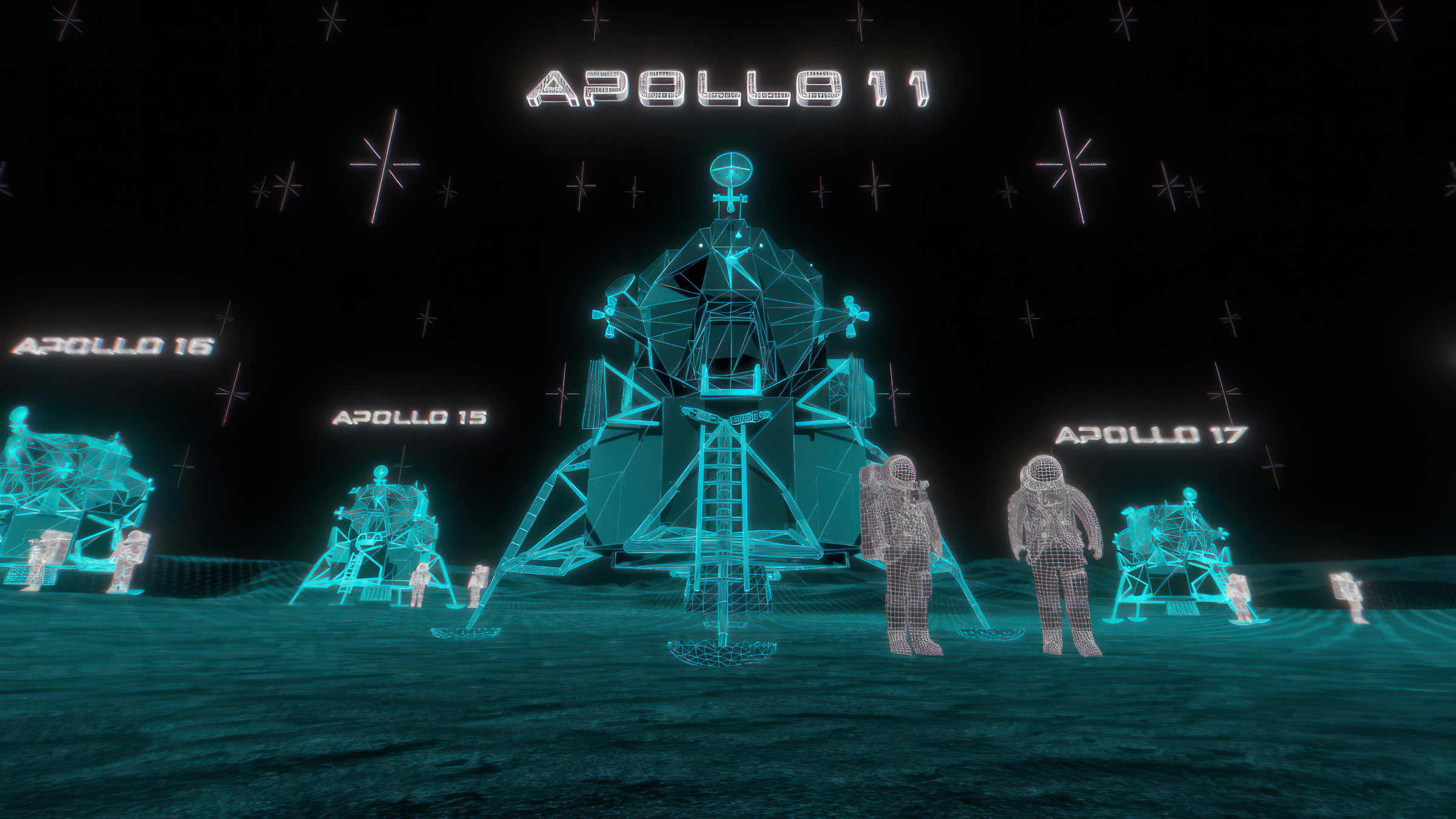
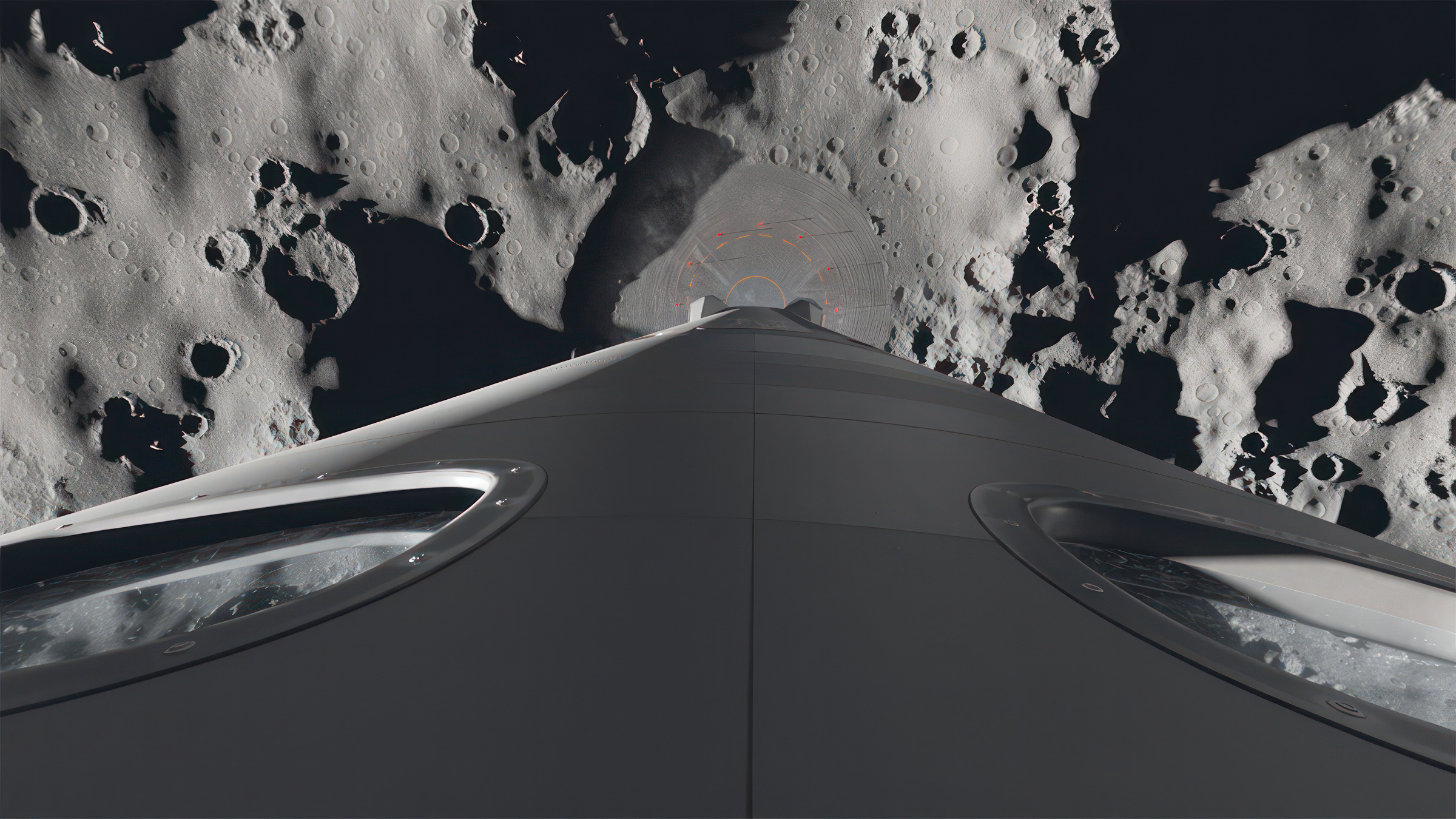
    Our next flying ride film will take visitors back to the Moon. Now there’s a challenge for filming. Thankfully we have all the tools to crew that Mission!

    Simon Clarke

    Execuive Creative Director and Founder Moonraker VFX

  4. BBC Partnership

    Comments Off on BBC Partnership

    BBC Partnership

    In a move set to reshape the future of science-based entertainment, Moonraker VFX and BBC Studios Science Unit have announced a strategic creative partnership aimed at delivering a new generation of immersive, cinematic experiences for the global Location Based Entertainment (LBE) sector.

    This collaboration brings together the scientific storytelling expertise of BBC Studios Science Unit with the technical artistry of Moonraker VFX, a leader in immersive media and large-format visual content. With the LBE market projected to exceed $30 billion by 2030, the partnership signals a shared intent to innovate at scale within one of the fastest-growing segments of global entertainment.

    Listen up !!

    Simon Clarke had the pleasure of talking yesterday with Rob Liddell and #SkiptheQueue on a podcast about a new IP partnership that Moonraker VFX have formed with #BBCStudios Science that reveals our vision to create inspiring, storyled and visually spectacular content for the Immersive and Location Based Entertainment sectors.

    A Fusion of Science, Spectacle and Immersion

    BBC Studios Science Unit has built a global reputation for translating complex scientific ideas into accessible, emotionally resonant content. Their productions consistently push the boundaries of how audiences engage with science and the natural world. Moonraker VFX, meanwhile, is recognised for its cutting-edge visual effects and immersive storytelling, with a portfolio that spans planetariums, museum exhibits, and large-scale digital installations.

    By merging their core capabilities, the partnership will create a slate of multi-sensory projects designed for deployment across immersive venues worldwide. These experiences will offer audiences of all ages the chance to explore the universe, the natural world, and the boundaries of scientific discovery in ways that are emotionally compelling and intellectually rigorous.

    Delivering Innovation to a Growing Market

    The new slate of content under development aims to set a benchmark for editorial and technical excellence in the LBE industry. Each project will blend data-driven scientific insight with narrative structure and high-fidelity visuals, enabling operators to offer experiences that are entertaining and deeply educational.

    Moonraker’s expertise in crafting scalable, immersive visual environments will play a key role in delivering these experiences across diverse platforms, including immersive domes, mixed-reality environments, and interactive visitor attractions.

    For BBC Studios Science Unit, the move reflects a strategic commitment to extend its global reach through innovative formats. While both companies have previously collaborated on acclaimed science series such as Earth and Evolution, this partnership marks a formal evolution into immersive formats tailored for LBE operators.

    Strategic Industry Positioning

    As the immersive entertainment sector becomes increasingly competitive, partnerships like this represent a key differentiator for LBE stakeholders seeking high-quality, science-led attractions with global recognition.

    With market-ready content and a shared legacy of delivering impactful storytelling, BBC Studios Science Unit and Moonraker VFX are positioning themselves as leaders in the next phase of immersive science entertainment. Their joint ambition is to create experiences that are emotionally engaging, intellectually enriching, and technologically exceptional, setting a new standard for what location-based science content can achieve.

  5. Timeless Flight Hong Kong Set to Redefine Immersive Flying Theatre Experiences

    Comments Off on Timeless Flight Hong Kong Set to Redefine Immersive Flying Theatre Experiences

    Timeless Flight Hong Kong Set to Redefine Immersive Flying Theatre Experiences

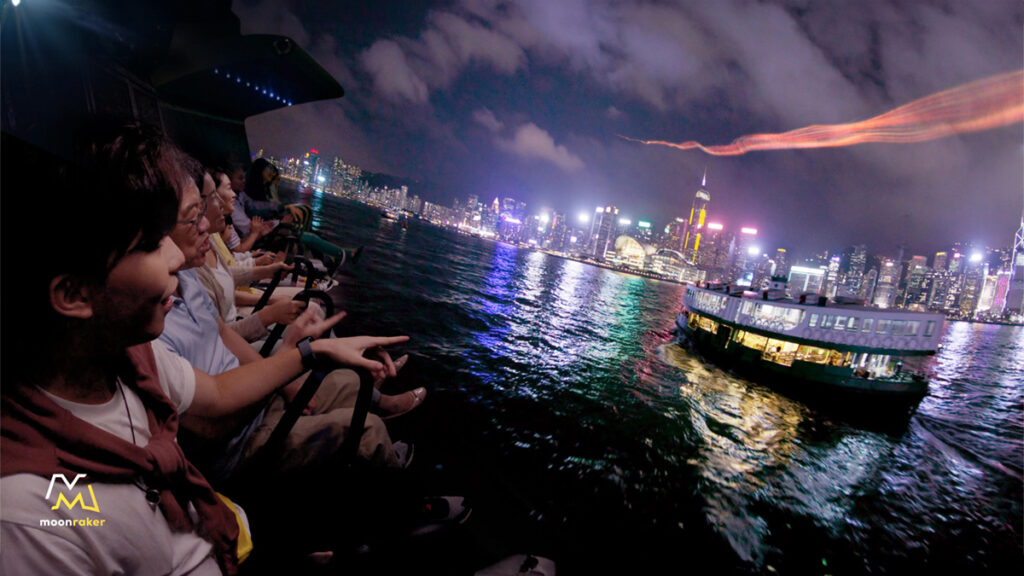
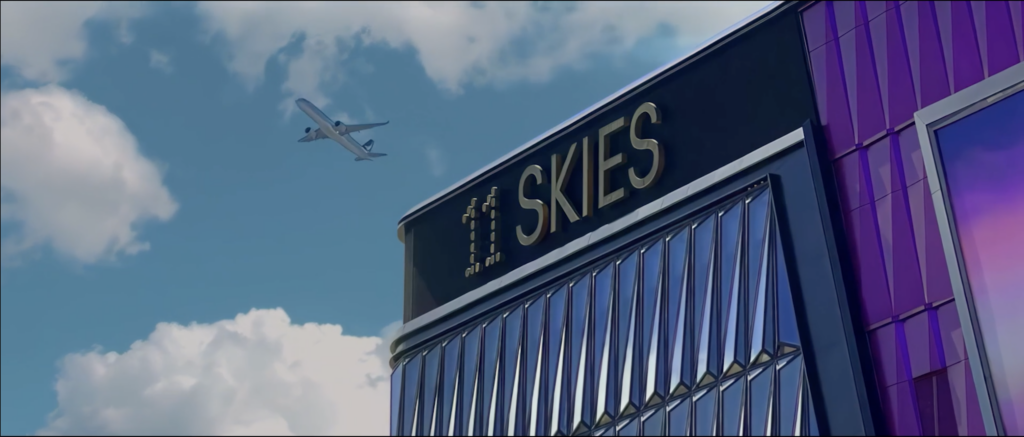
    Moonraker, the UK-based specialist in cinematic and digital production for themed attractions, is nearing completion of Timeless Flight Hong Kong, its latest flying theatre film created for 11 SKIES. The production, developed in collaboration with film studio Talesmith, has been two years in the making and represents a significant step forward in large-format immersive storytelling.

    Commissioned by 11 SKIES, the attraction forms a key part of Hong Kong’s first 4D motion flying theatre, located within Skycity on Lantau Island. The installation will invite guests to experience the sensation of flight through synchronised motion technology, sensory effects, and an expansive wraparound visual display.

    Bringing Hong Kong’s Story to Life

    The concept behind Timeless Flight Hong Kong centres on a cinematic journey through the city’s evolution over the past century. The film takes audiences on an aerial voyage that celebrates the urban transformation of Hong Kong’s skyline and the spirit of its people.

    Through a carefully structured narrative and dynamic pacing, the experience showcases the contrasts between the city’s dense architecture and its surrounding natural landscape. Visitors are immersed in day and night scenes, where motion-synchronised seating and wind effects replicate the physical sensation of flight across the city’s harbour, peaks, and neon-lit districts.

    From a design and production perspective, the project reflects a strong focus on cultural storytelling integrated with advanced motion-based simulation. The attraction aims to position Hong Kong as a leader in regional entertainment innovation while providing an anchor experience for 11 SKIES’ wider mixed-use development.

    Technical Precision and Aerial Innovation

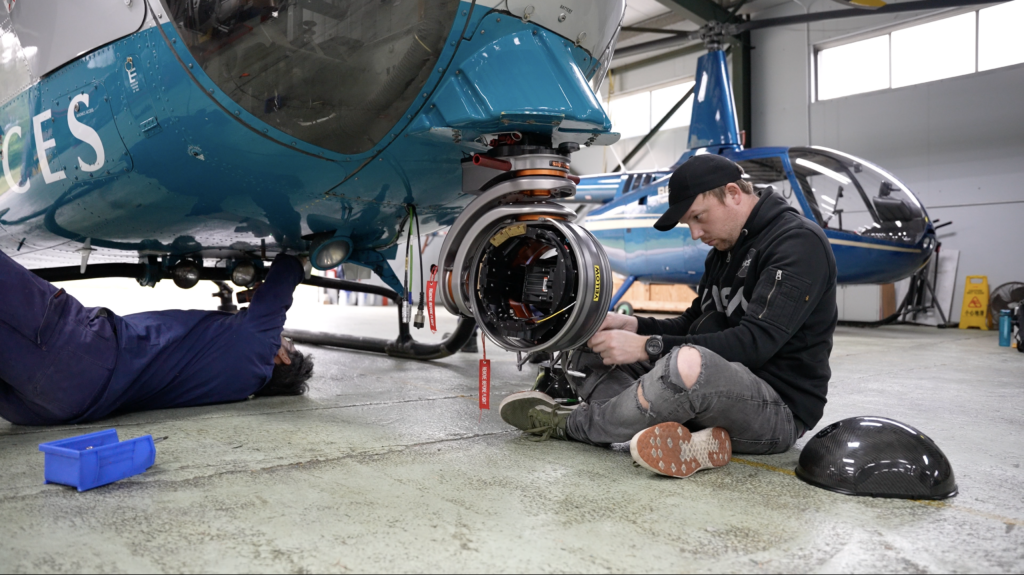
    The film’s aerial sequences were captured using a combination of advanced drone and helicopter technology, coordinated across a year of filming. Moonraker and its partners deployed a fleet of custom-built FPV drones fitted with 8K large-format cameras to record sweeping flight paths through Hong Kong’s streets and high-rise clusters.

    Additional helicopter-based filming utilised gyro-stabilised nose-mounted rigs to achieve smooth, cinematic motion that complements the ride’s synchronised movements. This technical approach allows for highly realistic visual immersion when combined with the motion base system of the theatre, designed to respond precisely to the film’s trajectory and tempo.

    The production highlights the increasing sophistication of flying theatre experiences, combining narrative filmmaking with precision engineering and multi-sensory integration. For developers, operators, and experience designers, the project highlights how collaborative production pipelines can seamlessly integrate creative intent with mechanical and motion system accuracy.

    A Strategic Investment in Location-Based Entertainment

    Spanning approximately 570,000 square feet, 11 SKIES is positioned as Hong Kong’s largest retail and entertainment complex. Developed by K11 Group, the site will introduce several new visitor attractions, with Timeless Flight Hong Kong serving as a flagship experience.

    For the B2B sector, the attraction represents a blueprint for integrating high-quality cinematic media within large-scale commercial environments. The project demonstrates how a carefully curated narrative, supported by advanced imaging and motion technology, can expand the scope of visitor engagement within multi-purpose developments.

    With post-production now entering its final stages, Timeless Flight Hong Kong is set to deliver a benchmark experience that blends creative storytelling with engineering precision, offering the global attractions industry a glimpse into the next generation of flying theatre design.

  6. Cosm welcomes Emmy-winning studio Moonraker VFX to Premium Media Program

    Leave a Comment

    Cosm welcomes Emmy-winning studio Moonraker VFX to Premium Media Program

    Cosm, a global technology company that builds end-to-end solutions for immersive experiences, has announced a new partnership with Moonraker VFX, an Emmy-winning visual effects studio located in Bristol, UK, to expand its Premium Media Program.

    This program, designed for CX System LED domes and dome theatres running Digistar, is now adding Moonraker VFX’s lunar expedition, Moonbase: The Next Step, to its list of exclusive, award-winning immersive shows.

    Moonraker VFX is the third fulldome studio to partner on the Premium Media Program, building on Cosm’s existing partnerships with two acclaimed producers, Cosmic Picture and the American Museum of Natural History, to include a wider range of inspirational and educational films.

    Cosm will further develop its partner network of fulldome producers contributing to the Program, expand its library with family-friendly science, entertainment, and educational films, and introduce new, exclusive original productions by Cosm Studios.Bottom of Form

    An immersive lunar journey

    Moonbase: The Next Step is a 20-minute-long immersive journey that explores the science and technology behind a daring 250,000-mile lunar mission through hostile conditions, including reduced gravity, extreme temperatures, and toxic dust.

    “As demand for high-quality, immersive content grows, we’re partnering with top-tier studios to deliver immersive learning experiences that resonate with global audiences and align with our partners’ missions,” says Neil Carty, VP and head of Cosm Studios at Cosm.

    “We’re proud to welcome Moonraker VFX – a proven creative force in educational fulldome storytelling – into the Program, adding their beautifully crafted production Moonbase to our growing catalogue.

    “This partnership reflects our continued investment in building a trusted ecosystem of world-class producers and delivering high-impact, mission-aligned content that helps our science and education partners evolve their programming and captivate new audiences.”

    As Moonraker’s second immersive experience in the Program, following Inside Pop Art— a Cosm Studios Original that first premiered in Cosm venues—Moonbase offers audiences a grand adventure to experience the vastness of the moon itself. With humanity’s inevitable return to the Moon, Moonbase tells a story of human ambition, pushing scientific and technological boundaries in this stunning lunar journey.

    “We created ‘Moonbase: The Next Step’ to bring audiences as close as possible to the wonder, challenge, and scale of returning to the Moon,” says Jon Grafton, Moonraker co-founder.

    “From the outset, our goal was not only to capture the immense beauty of the lunar environment but also to tell the very human story of survival and innovation that will make a permanent presence there possible. Partnering with Cosm allows us to extend that experience to a global audience through their extensive science and education network.

    “We’re thrilled to collaborate on this next chapter—together inspiring curiosity, sparking imagination, and connecting people to the future of space exploration.”

    Innovative and customised programming

    Cosm’s Premium Media Program offers a proven collection of over 50 high-quality immersive films, helping participants expand their audiences and community reach with innovative and customised programming. Instead of a costly, long-term license for a single film, participants can choose and rotate four or more films each year, ensuring ongoing engagement, inspiration, and repeat visits.

    Cosm is dedicated to delivering innovative immersive experiences and content to audiences worldwide, supporting over 700 planetariums across the globe.

  7. The Future of Media-Based Attractions: Why Quality Content is Key to Lasting Engagement

    Comments Off on The Future of Media-Based Attractions: Why Quality Content is Key to Lasting Engagement

    The Future of Media-Based Attractions: Why Quality Content is Key to Lasting Engagement

    “Visually stunning, emotionally powerful, and packed with sensorial moments that completely draw you in.”

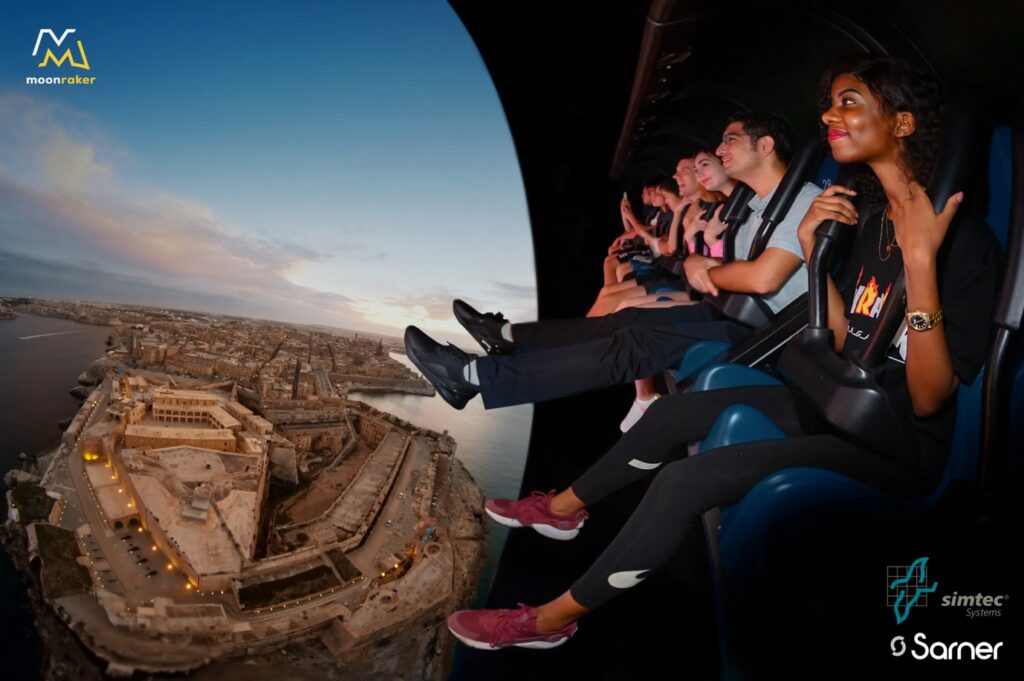
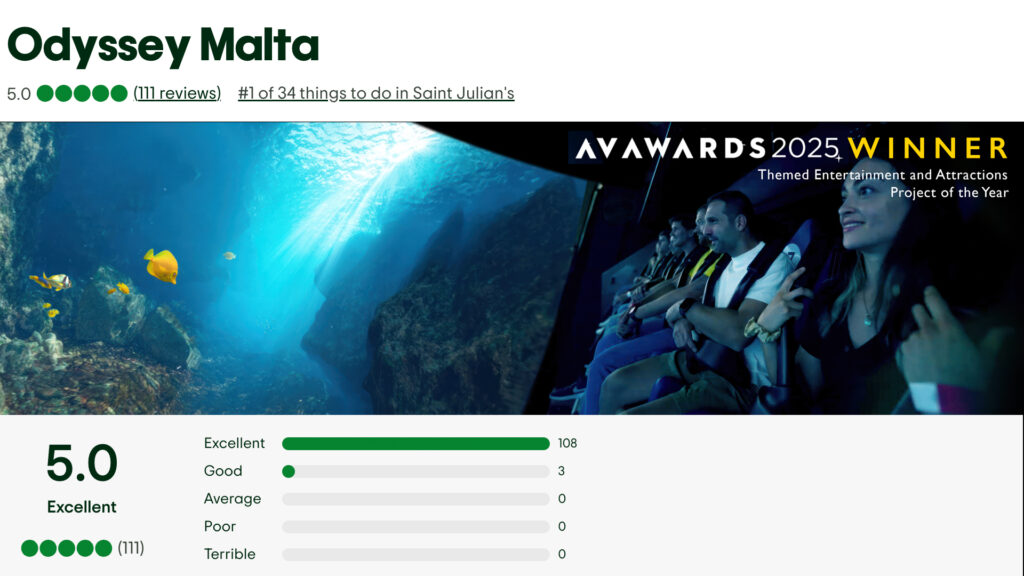
    These aren’t just our words; they’re the unanimous 5-star reviews pouring in for Odyssey Malta—Europe’s top-rated Flying Ride attraction. A ground breaking 5D experience by Sarner International and Simtec Systems that redefines what immersive attractions can be, and one we’re extremely proud to have been part of.

    In a world where technology is evolving at lightning speed, it’s easy to overlook the long-term investment in quality content when it comes to media-based attractions.

    Often, the technology and hardware steal the show, but without compelling content, even the most advanced rides can quickly feel outdated.

    Today’s audiences are more discerning than ever, and they expect the kind of immersive, high-quality experiences they encounter daily on their devices.

    Think about it: in an era dominated by social media, influencers, and AI-driven content that can rival Hollywood effects, the bar for visual spectacle is constantly being raised.

    At Moonraker VFX we understand the importance of evolving alongside these technological advancements. High-quality content doesn’t have to break the bank — it’s about making smart, informed choices and ensuring that every pixel on the screen serves the experience.

    As specialists in VFX for location-based entertainment, we’ve had the privilege of working on some of the largest LED displays worldwide.

    According to Simon Clarke, Executive Creative Director and Founder of Moonraker, “It’s about as tough as it gets from the data management, but it also sets the bar and the stage for us to deliver content that’s both visually spectacular and emotionally engaging. We take great pride in this process, as it’s what we do best. Our attention to detail, the ‘wow’ factor, and the immersive experiences we create are what audiences notice and talk about. It helps drive footfall, engagement, and ultimately, revenue.”

    The truth is, the public are our best marketers. Their excitement, their conversations, and the buzz they generate around attractions are powerful tools for driving awareness and interest. When they share their experiences — when they tell their friends and followers about the stunning visuals and unforgettable moments they’ve encountered — that’s when your attraction becomes a destination.

    In the end, it’s not just about creating something visually impressive — it’s about creating an experience that people will want to share, remember, and return to.
    Let’s continue to raise the bar for immersive attractions and deliver the kind of visual quality that leaves a lasting impression.

  8. Moonraker launch new immersive experience, Inside Pop Art

    Comments Off on Moonraker launch new immersive experience, Inside Pop Art

    Moonraker launch new immersive experience, Inside Pop Art

    A Cosm Studios Original title written, produced and created by leading VFX company Moonraker explores iconic works by Roy Lichtenstein, Jean-Michel Basquiat, Keith Haring, and more.

    Cosm, a global technology companythat builds end-to-end solutions for immersive experiences, has revealed its latest Cosm Studios Original, Inside Pop Art.

    This new title will launch at Cosm Los Angeles on 28 October, before being made available to planetariums, science centres, and fulldome theatres through the Premium Media Program.

    “Pushing the boundaries of storytelling & visual design”

    The new Cosm Studios Original, Inside Pop Art, is a 20-minute animated film that immerses viewers in iconic works by Roy Lichtenstein, Jean-Michel Basquiat, Keith Haring, and others while exploringthe movement’s roots and long-lasting cultural impact.

    Inside Pop Art, produced in collaboration with award-winning VFX firm Moonraker and directed by Graham Watts, is an educational journey into the history of the Pop Art movement that transcends the limits of traditional art galleries. The film has been created specificallyfor Cosm’s Shared Reality venues and LED dome projections to offer unprecedented access to renowned art in a fresh and immersive format.

    “Working with Cosm to develop a compelling narrative for the venue’s unique canvas has been a fantastic collaboration,” says Jon Grafton, managing director of Moonraker VFX. “We’ve enjoyed embracing the technical and creative challenges that come with translating the vibrant world of pop art into a fully immersive experience.”

    Simon Clarke, Moonraker executive creative director, says: “We’re pushing the boundaries of storytelling and visual design, creating something that feels true to the iconic movement but provides a fresh take for modern audiences.”

    Inside Pop Art blends an evocative score, engaging storytelling and cutting-edge animation to showcase the unique artistic techniques of each featured artist. The brand-new film is intended to engage visitors of all ages by taking them on an immersive journey from Pop Art’s origins in the UK to its contemporary influences on social media, fashion, art, culture, and beyond.

    Exclusive content

    Neil Carty, VP, head of Cosm Studios and Labs at Cosm, says: “We’re thrilled to add Inside Pop Art to our growing slate of immersive art programming at Cosm venues as well as extend it to our network of science and education institutions. Moonraker has masterfully told the story of pop art’s impact and significance across art, history, and culture and we’re excited for audiences to experience it together in Shared Reality.”

    Cosm Studios, the content and storytelling division of Cosm, is dedicated to promoting the art of fulldome filmmaking and the immersive creator ecosystem. It collaborates with a diverse group of highly skilled artists, filmmakers, technologists, and experience designers to push the limits of immersive storytelling and design.

    Its Premium Media Program provides planetariums, fulldome theatres, and science centres running Digistar with a flexible and cost-effective way of accessing and presenting immersive shows. Inside PopArt is now available in its ever-growing library of exclusive titles. This catalogue offers participants excellent value, unparalleled flexibility, and immersive content that goes beyond the limits of traditional programming.

    Inside Pop Art will debut in Shared Reality at Cosm Los Angeles on 28 October. It joins the firm’s exclusive art and science titles, including Nancy Baker Cahill’ s SEEK, Planetary Collective Guy Reid ‘s Orbital, and Ricardo Romaneiro ‘s LIQUIDVERSE: Microcosm & Macrocosm, and builds on the Cosm’s immersive art programming at its first two venues in Los Angeles and Texas.

    Last month, Cosm announced that it has expanded its Premium Media Program, which includes almost 50 immersive shows. Participants can select four or more films from the growing catalogue, with the option to switch them for different titles each year.

  9. Moonraker VFX & Sarner International awarded joint contract

    Comments Off on Moonraker VFX & Sarner International awarded joint contract

    Moonraker VFX & Sarner International awarded joint contract

    Firms will collaborate once again for the Wetterextreme Immersive Experience at Klimahaus Bremerhaven

    The contract covers creative design, media production, lighting, and special effects installation for the new attraction at the internationally acclaimed climate-focused museum.

    The partnership combines Moonraker and Sarner’s expertise in creating engaging edutainment experiences and delivering complex initiatives. The two firms have previously joined forces on projects such as the Thea Award-winning Fram Museum in Oslo and the AV Awards-winning Bodmin Jail attraction. They are currently working on a Flying Theatre attraction at Mercury Towers, Malta.

    The Wetterextreme project showcases the collaboration’s expertise in combining cultural attractions, themed entertainment, and motion rides to create advanced immersive edutainment experiences that meet contemporary audiences’ high expectations.

    Jon Grafton, managing director at Moonraker VFX, says: “We are thrilled to be working once again with Sarner International to create the Wetterextreme experience. The project further enhances our companies’ reputation as industry trailblazers and experts in crafting innovative immersive edutainment experiences.

    Pivotal partnership

    Klimahaus Bremerhaven provides an interactive experience exploring weather, climate, and climate change. The attraction offers a unique blend of education and entertainment, going beyond traditional museum experiences to enhance climate knowledge.

    A dynamic ride platform that transports guests through a variety of harsh weather events over three floors of the museum building is a key component of the experience. Every stage of the trip promises to be a multi-sensory experience thanks to the expert combination of spectacular film production, lighting, mechanical and kinetic effects, and special effects like rain, wind, hail, mist, and fog.

    Visitors will be astonished, amazed, and moved as they learn about the intricate mechanisms of the climate of the Earth. This experience defies boundaries and welcomes guests of all ages to embark on a voyage of discovery and enlightenment.

    Show direction by Sarner’s executive creative director, Mike Bennett, is a crucial component of the project. With45 years of experience, he will expertly coordinate all of the show elements with the dynamic movement of the ride, making for an incredibly engaging experience.

    Ross Magri, managing director at Sarner International, comments: “The unique technical challenge of the Wetterextreme project lies in its demand for a high level of synchronicity between the immersive media and the physical experience of the attraction. This meant that we had to ensure that the special effects, lighting, and mechanical effects all worked in tandem.

    “Our collaboration with Moonraker VFX is central in this regard, combining our expertise to engineer a seamless and captivating experience that pushes the boundaries of what’s possible in immersive storytelling.”

    The Klimahaus Bremerhaven plansto launchthe Wetterextreme Immersive Experience in Q3 2024, cementing the museum as an international leader in interactive climate education.

    Moonraker VFX Ltd. recently revealed that Moonbase: The Next Step is available for IMAX and Giant Screens.

  10. Moonraker VFX recognised as top industry employer with accolade

    Comments Off on Moonraker VFX recognised as top industry employer with accolade

    Moonraker VFX recognised as top industry employer with accolade

    The award showcases the firm’s commitment to a healthy workplace

    Moonraker VFX Ltd., the award-winning UK-based VFX studio, has been named one of the best places to work in the UK Television industry.

    The studio, based in Bristol, has been ranked as one of the top five non-indies from over 40 nominated businesses in the 2023 Broadcast Best Places to Work in Television awards, demonstrating why it is a notable partner for professionals working in television, film, or immersive entertainment. The studio collaborates closely with visitor attractions to help engage audiences with immersive and innovative visuals.

    The announcement recognises the studio’s ongoing commitment to its people, culture, and award-winning portfolio of projects delivered across the broadcast, immersive, and visitor attraction sectors, based on data from an extensive employer and employee engagement survey that examined Moonraker’s company practises, programmes, and benefits.

    Investing in people

    The studio’s recognition as an industry-leading workplace comes at a time when the company is experiencing tremendous expansion, having recently released its first licensable film for immersive, screen-based experiences. The firm also has a trusted reputation working with brands such as Apple, the BBC, Disney, National Geographic, and Netflix.

    “This announcement is an incredibly proud moment for Moonraker,” says Moonraker VFX co-founder and managing director Jon Grafton. “Celebrating our tenth anniversary this year, we have worked hard to build a workplace and culture that invests in both the wellbeing and personal development of our team.

    “This is recognition of that journey and the dedication of our team which is home to industry-leading artists who are at the cutting edge of creativity and technology, helping visitor attractions engage their audiences with beautifully crafted images. We look forward to branching out even further into this industry this year.”

    Moonraker’s recently announced fulldome 4k film, Moonbase: The Next Step, will provide the studio with a new level of brand exposure across the international market, helping to fuel its next stage of growth and recruitment.